The curse of Ondine
The Glass RoomThe curse of Ondine joins a rare breathing disorder to a story of love, betrayal, and punishment. It first names the peril facing one of Tomáš’s young patients, who cannot breathe during sleep without a ventilator; it then becomes a measure of the emotional danger Tomáš associates with his unfaithfulness to Zdenka. The legend does not merely explain a medical term: its fatal promise gives shape to what Tomáš fears he may do to someone he loves.
The medical condition
One child in the hospital, a patient of Tomáš, has a condition the medical profession has never encountered. While awake, she can move her ribs and diaphragm and ventilate her lungs normally. As soon as she falls asleep, however, she stops breathing. She must sleep on a ventilator; without it, she would die by asphyxiation. The unexplained condition is known as the curse of Ondine.
The account makes the contrast between waking and sleeping central: the child’s breathing works when she is conscious, but the automatic function fails when she sleeps. The ventilator is not described as a cure; it is the necessary means of keeping her alive during sleep. The name therefore carries a grimly literal force in the hospital, even as the narrative also opens onto the older legend behind it.
The legend of Ondine
Ondine is a water nymph, immortal until she has a child with a mortal. She loves Palemon, a handsome mortal already betrothed to Berta, and he is prepared to give up that marriage for her. Ondine fears that pregnancy will cost her immortality, youth, and beauty. Palemon promises that every waking breath will attest to his love and faithfulness. They marry, and after their child is born, Ondine becomes mortal, subject to age and decay.
The promise turns into the mechanism of the curse when Ondine discovers Palemon with Berta. She flees to the river, but before dying of grief, she uses her remaining magic to wake him and make his vow literal: while awake he will breathe, but if he ever sleeps, his breathing will cease. The story links betrayal to the most basic sign of life, transforming an assurance of fidelity into a sentence that is fulfilled in sleep.
From diagnosis to relationship metaphor
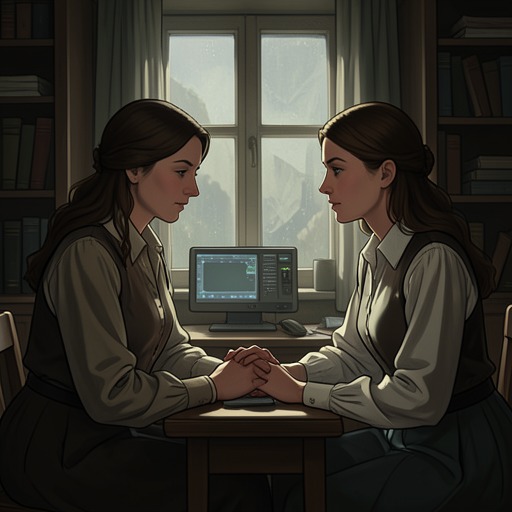
Tomáš knows the legend through his patient’s affliction; Zdenka knows it through Maurice Ravel’s piano piece “Ondine.” Their different routes to the story converge in their relationship. Tomáš thinks of Zdenka as Ondine, connecting her with the name’s beauty, while the curse also supplies the terms through which he understands the danger of betraying her.
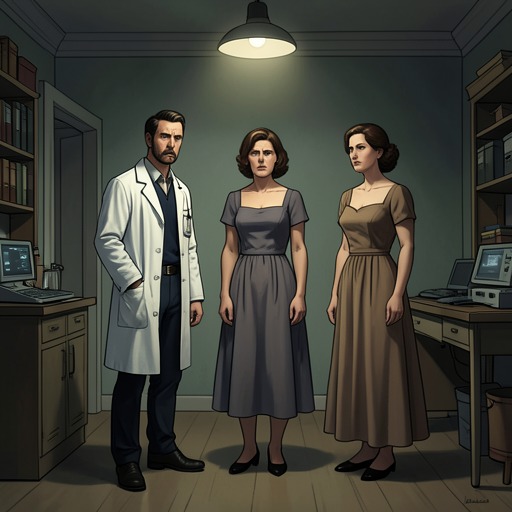
Tomáš’s relationship with Eve does not ease that danger. He recognizes that Eve is not jealous of Zdenka, but he believes Zdenka would be devastated if she learned of his unfaithfulness. The distinction matters: Eve’s acceptance does not settle the question of what his betrayal means to Zdenka. Tomáš does not ask Zdenka how she would react because he believes he already knows the answer.
Breathing, betrayal, and the feared consequence
Tomáš wonders why he betrays Zdenka and reasons that risking the curse may inject meaning into his life. What attracts him is the curse of not breathing. He dwells on breathing as a foundation of human life and on the words associated with it—inspiration, respiration, expiration—as a sequence that suggests birth, life, and death. The medical fact and the legend thus meet in his thoughts: the patient’s dependence on a ventilator gives physical reality to a story in which betrayal is answered through breath.
Yet Tomáš also fears the curse if Zdenka discovers his affair with Eve. In that fear, the legend is not simply a supernatural explanation for a condition or a romantic image for Zdenka. It becomes a model of the consequence he imagines his own conduct could bring about: the beloved betrayed, and the betrayer bound to a fatal promise. The narrative leaves this consequence in Tomáš’s apprehension rather than presenting the curse as an event that literally befalls him or Zdenka.
Narrative significance
The expression works across three registers: a mysterious medical condition, a tragic tale of violated fidelity, and Tomáš’s interpretation of his relationship with Zdenka. The patient’s need for a ventilator grounds the curse in an immediate, practical danger; the legend gives that danger a moral and emotional shape; Tomáš’s thoughts carry the shape into his own divided conduct.
The story also makes sleep and waking more than opposites in a diagnosis. Palemon’s breathing depends on remaining awake, while Tomáš’s reflections circle around inspiration, respiration, and expiration as the stages of human existence. Against that pattern, his awareness of betrayal does not prevent him from continuing it. The curse names the connection he fears between unfaithfulness and loss, without resolving that fear into a literal supernatural outcome.